
Buying a Country House in the Cotswolds: A Guide for International Buyers
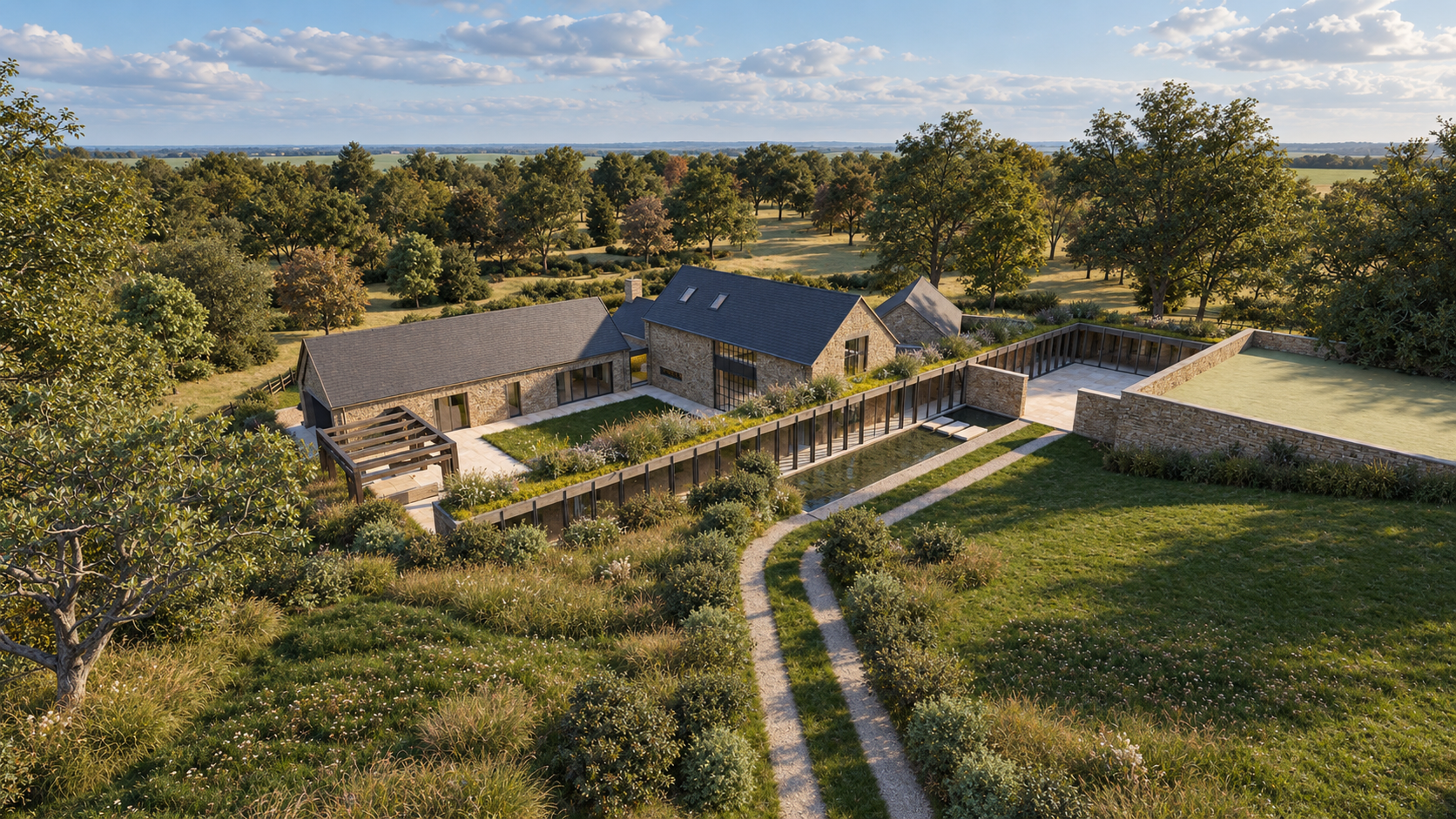
Buying a country house in the Cotswolds is a significant commitment, particularly when you are purchasing from overseas and intend to renovate. Before proceeding, establish whether the property can accommodate your plans, what the complete project is likely to cost and who will represent your interests during its delivery.
For international buyers, these questions deserve attention alongside the purchase itself. A house may offer the right setting and architectural character, but creating the home you want can involve substantial work, specialist approvals and decisions that are difficult to manage from another country.
Friel Welch is an independent construction and property consultancy providing project management, quantity surveying and design management. We help clients assess a property's potential before acquisition and coordinate the work required after purchase.
What should international buyers check before buying a country house?
Start with how you intend to use the property. An occasional country retreat, a permanent family home and a house accommodating extended family or staff can require very different arrangements.
Before committing, your advisers should investigate:
- The condition of the main house and outbuildings, including any specialist surveys recommended.
- Planning history, listed status and constraints affecting proposed alterations.
- Access, boundaries, rights of way and legal restrictions.
- Drainage, water supply, heating, electricity capacity and connectivity.
- The likely renovation budget and timescale.
- Whether the property can accommodate the features essential to your purchase.
A building survey and a renovation feasibility review serve different purposes. Understanding a property's condition does not, by itself, establish whether your proposed changes are achievable or affordable.
Our technical feasibility and development appraisal service brings the proposed brief together with technical constraints, indicative costs and delivery considerations.
In a conventional purchase in England, an accepted offer is not legally binding until contracts are exchanged. Agree with your solicitor which investigations should be completed before that commitment.
Can you renovate or extend a listed house in the Cotswolds?
A listed house can be adapted, but the proposed changes require careful assessment. Listing generally protects the interior as well as the exterior and can extend to associated structures. Works affecting the building's special architectural or historic interest require listed building consent. Historic England explains what listing covers.
Do not assume that internal walls can be removed, windows replaced or outbuildings converted simply because the work appears straightforward. Planning permission, listed building consent and building regulations approval are separate considerations.
Before purchase, ask an architect and appropriate planning or heritage specialists to assess the changes that matter most to you.
For example, a proposed swimming pool needs consideration of its structure, plant, ventilation and servicing, as well as its effect on the property and setting. An overseas interior designer's proposals should also be coordinated early with the UK design team and applicable requirements.
If a particular alteration is fundamental to your decision to buy, investigate its feasibility before treating it as part of the future home.
At Ox Farmyard, Friel Welch’s appointment combined design, project and cost management for the conversion of Grade II listed barns into five homes.
What costs should you allow for beyond the purchase price?
A realistic renovation budget should cover the complete project, including the work and purchases outside the main building contract.
For a substantial country house, this may include professional fees, surveys, applicable VAT, specialist installations, interiors, furniture, landscaping and infrastructure upgrades. Contingency should reflect the uncertainties that remain, particularly where parts of an older building cannot be fully investigated before purchase.
A quantity surveyor should identify these allowances and exclusions clearly. A single cost per square metre is not a sufficient basis for budgeting a complex renovation with outbuildings, bespoke interiors or extensive grounds.
Keep acquisition costs and taxes separate from the renovation budget, while including both in the overall funding plan. International buyers should obtain specialist UK tax advice, including on potentially applicable non-resident and additional-property Stamp Duty Land Tax rules.
Where funds are held overseas, a sterling cash-flow forecast can help your financial advisers plan transfers and consider currency exposure.
What rural infrastructure needs investigation?
The existing services need to support the way you intend to use the house.
Additional bathrooms, guest accommodation, a pool or new heating systems can change demand significantly. Establish the capacity of existing supplies and the scope of potential upgrades early.
Where the property uses private drainage, appoint a specialist to assess condition, capacity and compliance. Owners can have responsibilities for septic tanks and sewage treatment plants, including shared systems.
Flood risk also warrants investigation. An initial area-level check should be followed by property-specific advice where necessary.
For owners who will spend extended periods abroad, consider remote heating controls, leak detection, security and maintenance access as part of the initial brief.
Who should represent you during the project?
An international purchase and renovation requires several distinct professional roles.
Your solicitor handles the legal transaction. A buying agent may assist with finding and negotiating the property. Building surveyors investigate its condition, while architects and specialist designers develop the proposals.
An independent project manager coordinates the brief, consultant appointments, programme, procurement and delivery. A quantity surveyor manages cost planning, tender comparisons and financial reporting. Responsibility for administering the building contract should also be expressly agreed.
For an overseas owner, a lead project contact can consolidate advice and present decisions clearly. That coordination sits alongside the responsibilities of the individual specialists.
At Friel Welch, our project management service brings design, cost and delivery decisions together, with the scope tailored to the project and the client's existing team.
How can you manage a renovation while living overseas?
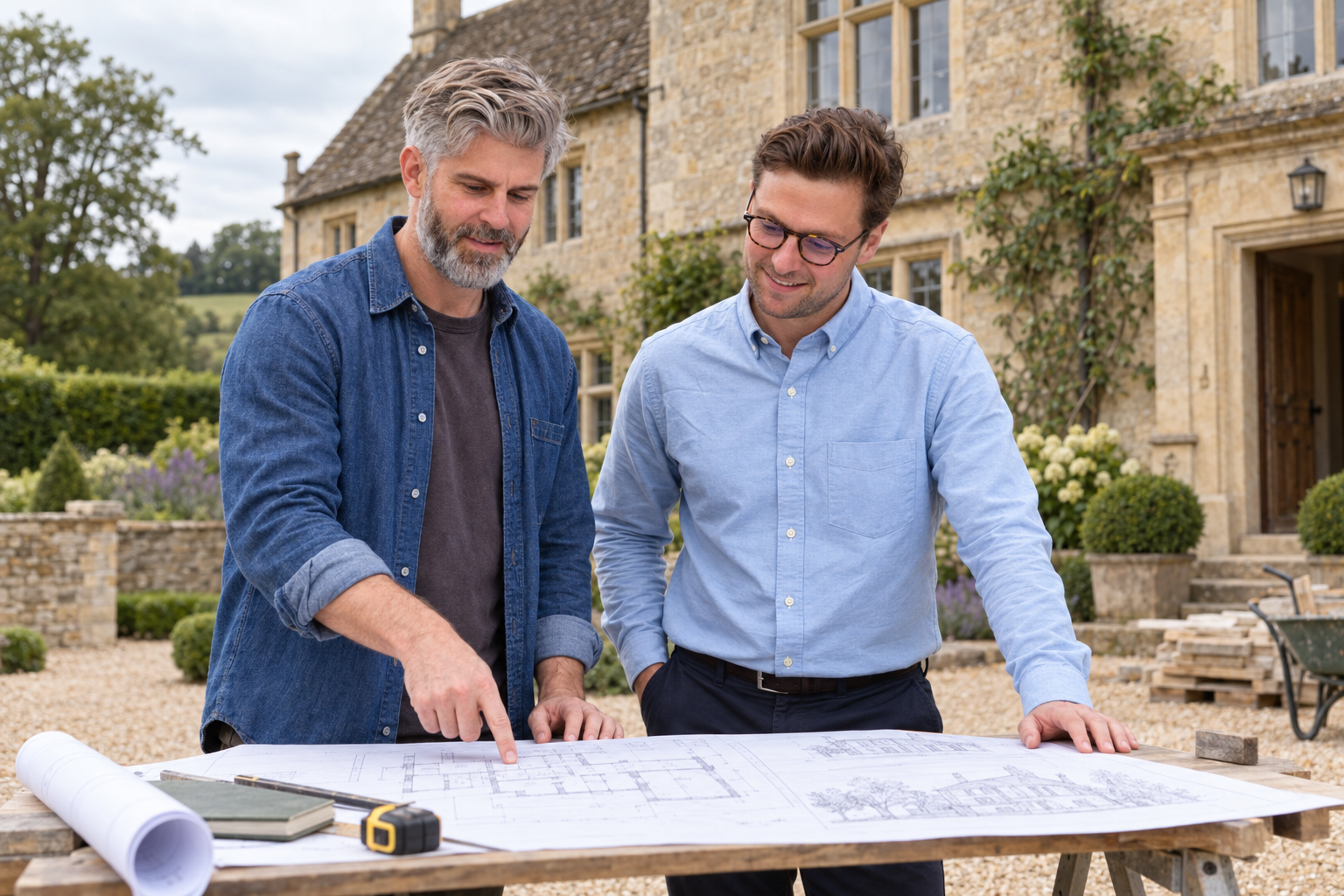
A renovation can be managed while you live abroad, provided there is an appropriately appointed UK team, agreed site oversight and a clear process for decisions.
Before work begins, establish who can approve expenditure, how changes are authorised and which decisions remain with you. Where a family office or personal representative is involved, agree their reporting requirements and authority to instruct the team.
Regular reporting should explain:
- The current budget, committed expenditure and forecast final cost.
- Progress against the programme and risks to the intended occupation date.
- Decisions required from you, with recommendations and deadlines.
- Proposed changes and their cost and programme implications.
- Quality observations, outstanding defects and the action being taken.
Plan meetings around time zones and reserve visits for decisions that benefit from being made in person, such as reviewing material samples or approving a joinery mock-up.
Agree confidentiality arrangements from the outset, including how photographs, drawings and personal information may be shared and whether any project publicity is permitted.
When will the property be ready to use?
Completing the purchase and having a renovated home ready for occupation are different milestones.
The project programme should account for investigations, approvals, design development, contractor selection, procurement, construction and commissioning. If you need the house for a school term or a particular season, test that date before committing to the property.
Handover should include testing building systems, addressing outstanding work, collecting warranties and operating information, and briefing those who will look after the house.
For an owner based overseas, a local caretaker or property manager may need to be involved before handover so that ongoing maintenance and operation are properly arranged.
How Friel Welch can support your Cotswolds purchase
Friel Welch can support international buyers planning a country-house renovation in the Cotswolds, combining early technical and commercial advice with project management through design and construction.
Before acquisition, we can help test your brief, coordinate specialist input, establish an indicative budget and identify delivery risks. Following purchase, our services can extend to design management, quantity surveying, consultant coordination, procurement and project delivery.
Whether you are considering a home near Burford, Chipping Norton, Stow-on-the-Wold or elsewhere in the Cotswolds, an early conversation can help establish what needs to be understood before you proceed.
Contact Friel Welch to discuss a prospective property or renovation project.
For the next stage, read our guide to planning a high-end home in the Cotswolds.
This article provides general project and construction guidance. Obtain property-specific legal, tax, planning and technical advice before committing to a purchase or works.
