
Buying a house to renovate in the Cotswolds
A country house can have the right settingand still be difficult to adapt to the way you want to live. Before buying aproperty to renovate in the Cotswolds, establish whether your essential changesare achievable and what delivering them is likely to involve.
That assessment should connect your briefwith the condition of the building, planning and heritage constraints, and aninitial budget for the complete project. It should also identify the questionsthat cannot be answered before purchase and the consequences of carrying thoseuncertainties forward.
Start with the changes that matter to your purchase
Write down the features that would make theproperty work for you. These might include a larger kitchen, additional guestaccommodation, a lift, a swimming pool or a converted barn. Distinguishessential requirements from improvements you could defer or reconsider.
Ask your architect and relevant specialiststo test the essential requirements first. If a particular extension or changeof use is fundamental to the purchase, it deserves more attention than ageneral assumption that the property has potential.
Check the route to permission
Review the planning history and identifyany listing, conservation designation or other constraints affecting yourproposed works. A previous permission should be examined against the currentbrief rather than treated as a ready-made route to delivery.
For a listed property, consent can berequired for alterations affecting its special architectural or historicinterest, including internal work. Planning permission, listed building consentand building regulations approval are separate considerations. Historic England explains the permissions that may apply.
Where the position is uncertain, obtainadvice from the relevant planning or heritage specialist. Record whichproposals remain untested and what further work is needed to establish theirfeasibility.
Look beyond the condition survey
A building survey informs yourunderstanding of the existing property. A renovation appraisal tests what wouldbe involved in carrying out your intended changes. Both can be valuable, butthey answer different questions.
For example, creating an open-plan kitchenmay involve structural alteration, new drainage routes and changes to heatingand ventilation. Adding bathrooms or a pool may require an assessment ofincoming services, plant space and drainage capacity.
Agree a proportionate investigation planwith your advisers. Roof and fabric condition, structural concerns, privatedrainage and utility capacity may need specialist input. Access for surveys andopening-up should be agreed with the seller; where access is limited, make theresulting assumptions explicit.
Build a budget for the whole project
An allowance for the main building works isonly part of the funding requirement. Include professional fees, surveys,statutory costs, applicable VAT, external works, utilities, specialist systemsand interiors. Keep purchase costs separate from the works budget whileaccounting for both in your overall funding plan.
Ask for an initial cost assessment thatexplains its assumptions, exclusions and level of uncertainty. A broad rate persquare metre may help frame an early conversation, but it cannot describe thefull cost of adapting a particular historic house.
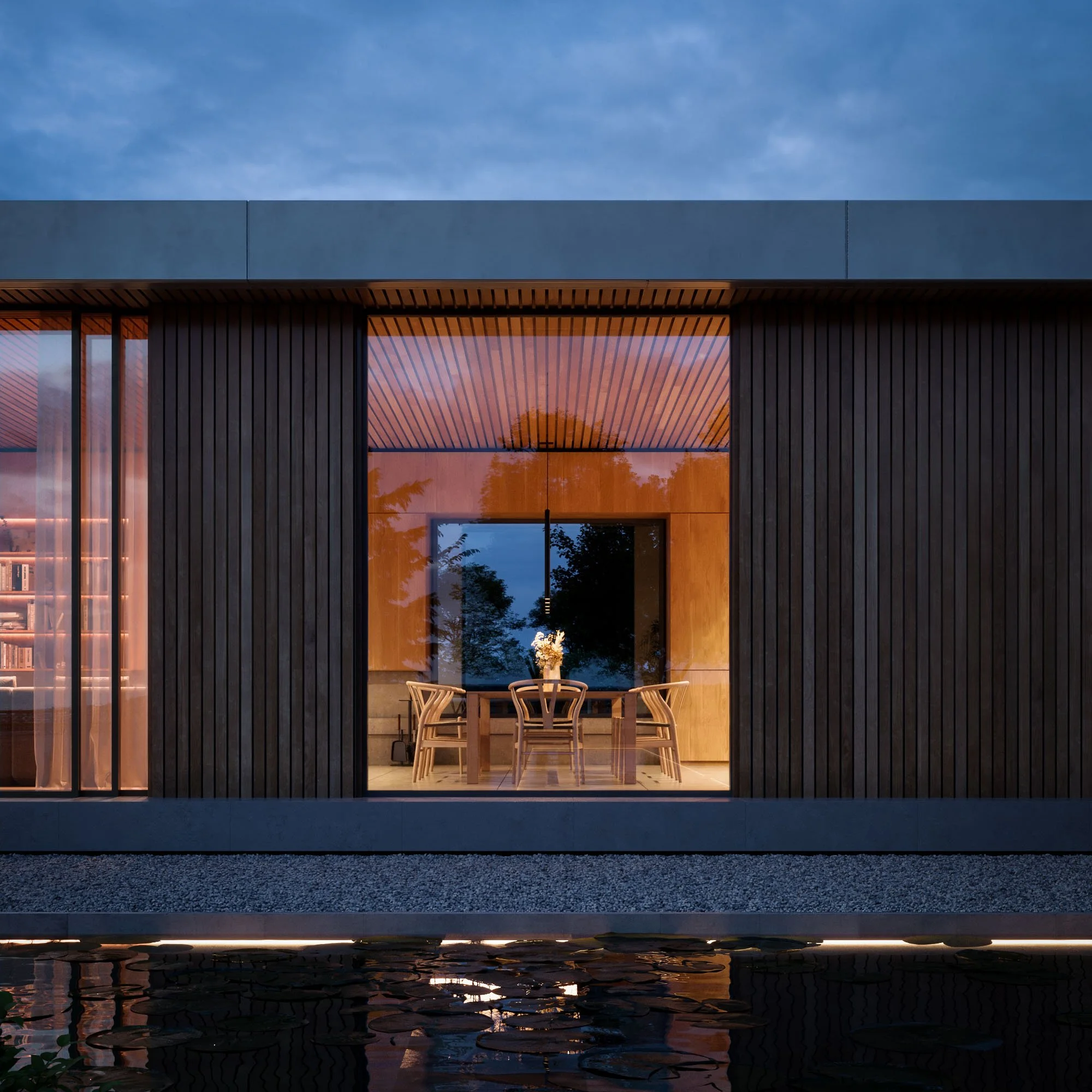
At Hillside House in Kingham, Friel Welchprepared separate elemental cost plans for two proposed homes, including anallocation of shared infrastructure and the assumptions behind the figures.That approach makes the basis of a budget clear so it can be refined as thedesign develops.
Test the programme against your intended move
The purchase timetable and the renovationprogramme need to be considered together. Allow for investigations, consultantappointments, consents, design development, contractor procurement and any workneeded before construction can begin.
If you need to occupy the house for aparticular school term or family event, test that date early. Consider whethertemporary accommodation is needed and whether phased occupation would bepractical. An attractive completion date has little value if it depends onunresolved permissions or an incomplete design.
Use a clear checklist before committing
Before exchange, agree with your solicitorand project advisers which matters need to be resolved and which risks you areprepared to accept. Your project checklist should answer these questions:
· Have the alterations essentialto the purchase been tested?
· What surveys and specialistadvice are still required?
· Which permissions and propertyconstraints affect the brief?
· What does the initial budgetinclude and exclude?
· Which uncertainties require acontingency or further investigation?
· What needs to happen betweenpurchase and starting work?
The aim is to understand the property wellenough to make an informed commitment, with a practical plan for the work thatfollows.
Discuss a property before you buy
Friel Welch supports private clients with pre-acquisition appraisal and technical feasibility,bringing together early cost, programme and technical advice alongside theirspecialist advisers. Our private-client services can continue throughdesign, procurement, construction and handover.
Contact Friel Welch to discuss a property you areconsidering.
